

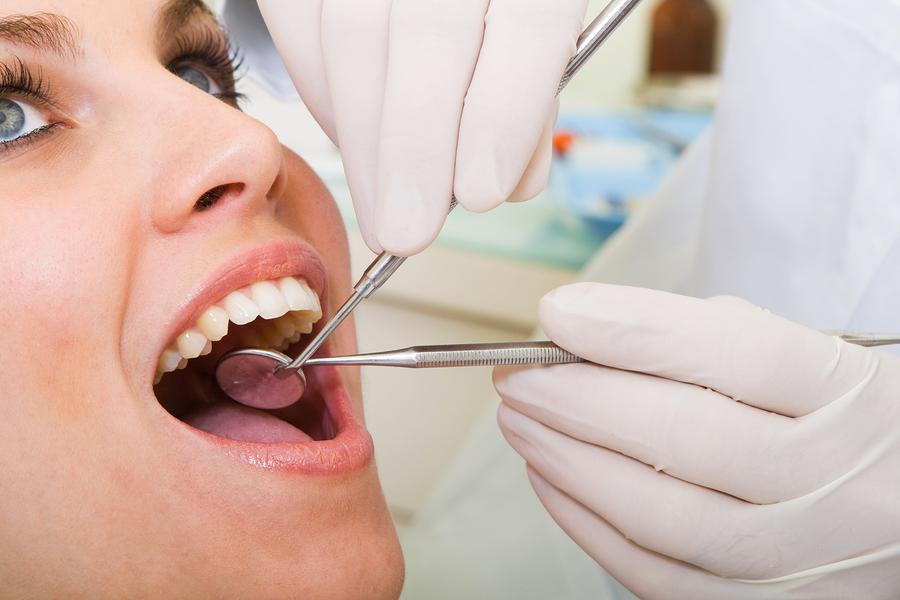
Understanding the Morning Mouth Environment
The relationship between breakfast timing and dental health represents one of the most fascinating intersections of nutrition and oral biology. Whilst most people understand that what they eat matters for their teeth, fewer appreciate that when they consume their morning meal can significantly influence the natural remineralisation processes that protect enamel throughout the day. A dentist Borehamwood recognises that the mouth operates on a delicate chemical balance, and the timing of food introduction can either support or hinder the teeth’s natural defence mechanisms.
During sleep, saliva production decreases substantially, creating an environment where bacterial populations can flourish overnight. Upon waking, the mouth’s pH levels are typically lower than optimal, meaning the oral environment is more acidic. This natural overnight shift places enamel in a temporarily vulnerable state, making the timing of breakfast particularly consequential for long-term dental health. Understanding this biological rhythm allows individuals to make informed decisions about their morning routines.
The Science Behind Enamel Remineralisation
Enamel remineralisation is the process by which minerals, particularly calcium and phosphate, are redeposited into the tooth structure after being removed by acids. This natural repair mechanism for tooth enamel occurs constantly throughout the day, provided the oral environment remains conducive to mineral deposition. Saliva serves as the primary vehicle for this process, carrying essential minerals to the tooth surface and buffering harmful acids produced by bacteria.
The balance between demineralisation and remineralisation determines whether teeth remain strong or develop cavities over time. When acid exposure is frequent or prolonged, the demineralisation process outpaces repair, leading to weakened enamel and eventual cavity formation. Research indicates that the timing of dietary intake influences salivary flow patterns and consequently affects the remineralisation capacity throughout the day. This makes breakfast timing a critical factor in establishing a protective dental environment.
Optimal Breakfast Timing for Dental Health
The Case for Waiting After Waking
Many dental professionals recommend waiting at least thirty minutes after waking before consuming breakfast. This waiting period allows saliva production to increase naturally, helping to neutralise the acidic environment that develops overnight.
During this window, drinking water can stimulate saliva flow and begin the natural cleansing process. The teeth benefit from this recovery period, as the remineralisation process can commence before being interrupted by food consumption. This approach proves particularly beneficial for individuals who favour acidic breakfast items such as citrus fruits or juices, as the mouth’s defences are better prepared to manage the acid challenge.
The Importance of Consistent Timing
Establishing a regular breakfast schedule supports the body’s circadian rhythms, which extend to salivary gland function and digestive processes. When breakfast occurs at consistent times, the mouth anticipates food intake and begins preparing accordingly through increased saliva production. This predictable pattern enhances the remineralisation window following the meal, as the body’s systems work in harmony rather than reacting to unpredictable eating patterns.
Breakfast Composition and Cavity Prevention
Beyond timing, the composition of breakfast significantly impacts enamel health throughout the day. Protein-rich foods stimulate robust saliva production, whilst calcium-containing items such as cheese and yoghurt provide minerals that directly support remineralisation. Complex carbohydrates break down more slowly than refined sugars, reducing the duration of acid attacks on teeth. Studies examining dietary patterns and oral health outcomes consistently demonstrate that balanced morning meals correlate with improved dental health markers.
Combining optimal timing with nutritious food choices creates a synergistic effect for cavity prevention. A breakfast consumed after allowing saliva production to normalise, featuring whole grains, proteins, and calcium-rich foods, establishes a protective foundation that persists throughout the morning hours. This approach minimises the cumulative acid exposure that contributes to enamel erosion over time.
Implementing Morning Routines for Stronger Teeth
Creating a morning routine that prioritises enamel health requires minimal adjustment to existing habits. The sequence of activities matters considerably: rising, hydrating, performing oral hygiene, waiting briefly, then eating breakfast establishes an evidence-based approach to cavity prevention. This routine ensures that teeth receive the benefits of both mechanical cleaning and natural remineralisation processes before encountering dietary acids.
The cumulative effect of these seemingly small adjustments becomes apparent over months and years, as teeth maintain their mineral content more effectively and resist cavity formation. By aligning breakfast timing with the mouth’s natural protective mechanisms, individuals can harness their body’s inherent capacity for dental repair whilst enjoying their morning meal without compromise.