

Understanding the Connection Between Tooth Loss and Facial Structure
The human face is a remarkable structure, supported by an intricate framework of bone, muscle, and tissue. What many people fail to realise is that teeth play a crucial role in maintaining this framework. When teeth are lost, the consequences extend far beyond gaps in one’s smile. The absence of teeth triggers a cascade of changes that can dramatically alter facial appearance, leading to premature ageing and what dental professionals refer to as facial collapse.
The jawbone requires constant stimulation to maintain its density and volume. Natural teeth provide this stimulation through everyday activities such as chewing and biting. When teeth are missing, the bone that once supported them begins to deteriorate in a process called resorption. This bone loss doesn’t simply create empty spaces in the jaw; it fundamentally alters the shape and structure of the face, often adding years to a person’s appearance. There is, however, a solution in the form of dental implants Brentwood.
The Science Behind Bone Resorption
Bone resorption occurs when the body recognises that certain bone tissue is no longer needed. Without the pressure and stimulation from tooth roots, the jawbone begins to shrink and recede. Studies have shown that patients can lose up to 25 per cent of their jawbone width within the first year following tooth extraction. This deterioration continues progressively, with traditional dentures offering little protection against ongoing bone loss.
The ramifications of this process are both functional and aesthetic. As the jawbone diminishes, the lower third of the face begins to collapse inward. The distance between the nose and chin decreases, creating a sunken appearance that is characteristic of advanced ageing. Wrinkles deepen around the mouth, the lips lose their support and fullness, and the face takes on a hollow, gaunt quality that can make individuals appear significantly older than their actual years.
Visible Signs of Facial Collapse
Several telltale signs indicate that facial collapse is occurring. These include pronounced wrinkles around the mouth, often called marionette lines, a thinning of the lips, jowls forming along the jawline, and a general sagging of facial tissues. The chin may appear more pointed or prominent, whilst the cheeks lose volume and definition. For those seeking solutions, dental implant specialists can provide comprehensive assessments and treatment options.
How Dental Implants Preserve Facial Structure
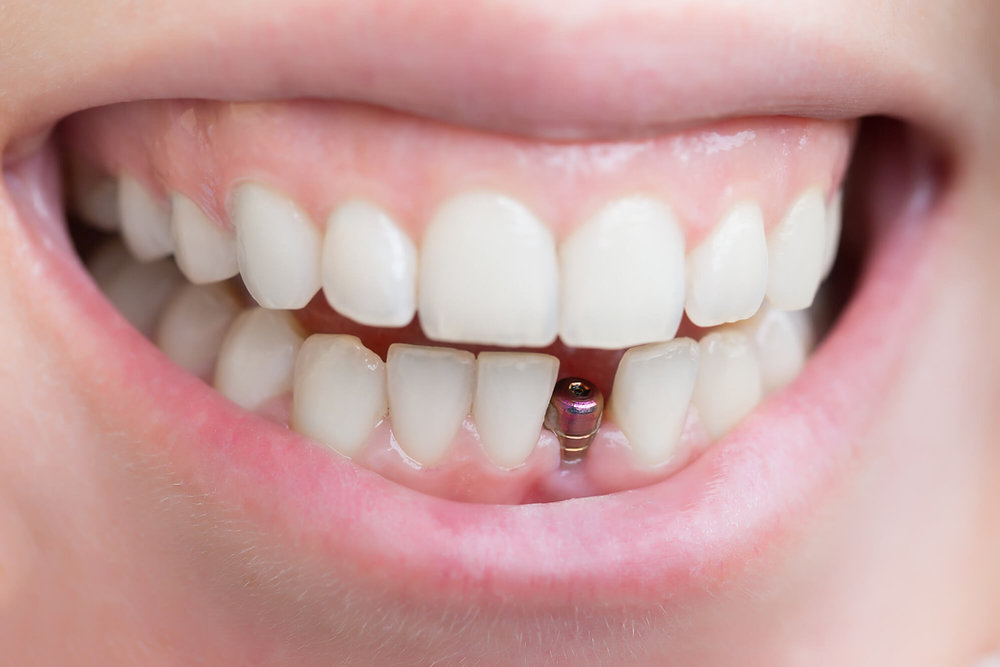
Unlike traditional dentures or bridges, dental implants address the root cause of facial collapse by replacing not just the visible crown of the tooth, but the root as well. Titanium posts are surgically placed into the jawbone, where they fuse with the bone tissue through a process called osseointegration. This fusion creates a stable foundation that mimics the function of natural tooth roots, providing the essential stimulation needed to maintain bone density.
The preservation of jawbone density has profound effects on facial aesthetics. By maintaining the bone structure, implants help preserve the natural contours of the face. The lower third of the face retains its proper height and projection, preventing the sunken appearance associated with tooth loss. The lips maintain their support, cheeks retain their fullness, and the overall facial profile remains youthful and well-defined.
Long-Term Benefits for Facial Appearance
Research has consistently demonstrated that dental implants effectively prevent bone loss and maintain facial structure over the long term. Patients who receive implants can expect their facial features to remain stable, avoiding the progressive deterioration that affects those with missing teeth or traditional dentures. This stability not only preserves appearance but also maintains proper bite function and jaw alignment.
The aesthetic advantages extend beyond bone preservation. Practitioners report that patients experience improvements in facial symmetry, reduced wrinkle formation, and a more youthful overall appearance. The restoration of proper vertical dimension—the height of the lower face—can reverse some of the ageing effects that may have already occurred, effectively turning back the clock on facial appearance.
Making an Informed Decision About Dental Implants
Understanding how dental implants prevent bone loss and facial collapse empowers individuals to make informed decisions about their oral health. The investment in dental implants extends beyond dental function; it represents a commitment to maintaining facial structure and preventing premature ageing. For those considering tooth replacement options, the evidence overwhelmingly supports implants as the most effective solution for preserving both oral health and facial aesthetics.
Consulting with qualified dental professionals allows patients to explore whether they are suitable candidates for implant treatment. With proper care and maintenance, dental implants can provide lifelong benefits, ensuring that patients retain their natural facial contours and youthful appearance for decades to come.