

Understanding the Role of Attachments in Modern Orthodontics
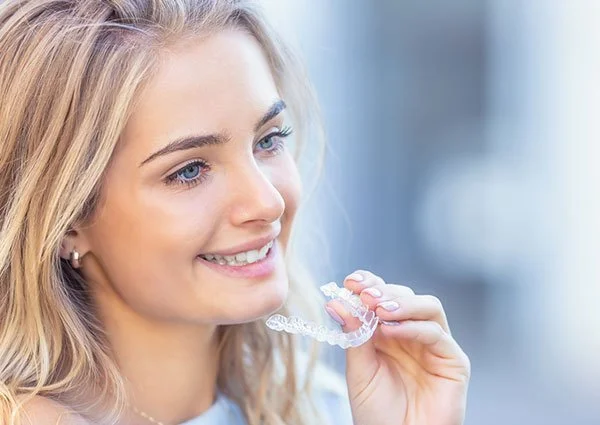
The world of orthodontic treatment has evolved dramatically over the past two decades, with clear aligner therapy revolutionising the way patients achieve their desired smiles. Whilst many people are familiar with the concept of transparent aligners, fewer understand the crucial role that small, tooth-coloured attachments play in facilitating sophisticated tooth movements. These tiny accessories, bonded to specific teeth throughout treatment, are the unsung heroes that enable aligners to accomplish what was once thought impossible without traditional braces.
Attachments function as handles or grips that allow aligners to exert precise forces on teeth, guiding them into their desired positions with remarkable accuracy. Without these strategic additions, aligners would simply slide over teeth without generating the necessary leverage to achieve complex rotations, extrusions, or intrusions. For patients seeking Invisalign Bournemouth treatment, understanding how attachments work can provide valuable insight into the sophistication of their orthodontic journey.
The Science Behind Attachment Design
Orthodontists carefully plan the placement of attachments using advanced 3D imaging technology, ensuring each one is positioned to maximise the effectiveness of tooth movement. These small composite resin bumps are custom-designed for each patient’s unique dental anatomy and treatment goals. The shape, size, and location of each attachment are determined by the specific movement required for individual teeth.
Types of Attachments and Their Functions
Different attachment shapes serve distinct purposes in orthodontic treatment. Rectangular attachments excel at controlling the rotation of rounded teeth, whilst bevelled attachments are particularly effective for extrusion movements. Optimised attachments, which feature more complex geometries, are designed to address multiple movement requirements simultaneously. Each type has been refined through years of clinical research and understanding the biomechanics of tooth movement to ensure optimal results.
Precision in Placement
The positioning of attachments is far from arbitrary. Orthodontists utilise digital treatment planning software to determine exactly where each attachment should be placed, down to the millimetre. This precision ensures that forces are applied at the correct angles and magnitudes to achieve predictable tooth movements whilst minimising discomfort and treatment time.
Achieving Complex Movements That Define Treatment Success
Complex tooth movements represent the true test of any orthodontic system’s capabilities. Whilst simple alignment of crowded teeth might be achieved through basic forces, movements such as root control, torque adjustments, and vertical repositioning require sophisticated biomechanical approaches. Attachments provide the anchor points necessary to accomplish these challenging corrections, transforming clear aligners from simple tooth-straightening devices into comprehensive orthodontic solutions.
Rotation and Torque Control
Rounded teeth, particularly canines and premolars, present unique challenges when attempting rotational movements. Without attachments, aligners would simply spin around these teeth without generating meaningful rotation. Strategic attachment placement creates the resistance points needed to twist teeth into proper alignment, ensuring that both the crown and root achieve correct positioning within the dental arch.
Vertical Tooth Movements
Extrusion and intrusion movements, which involve moving teeth up or down relative to the gum line, are among the most difficult to achieve with any orthodontic appliance. Attachments enable aligners to grip teeth effectively enough to generate the vertical forces required for these movements. This capability has expanded the range of cases that can be successfully treated with clear aligner therapy, offering solutions for bite discrepancies that previously required traditional braces.
Patient Considerations and Aesthetic Impact
Whilst some patients initially express concern about the visibility of attachments, these small additions are crafted from tooth-coloured composite material that blends remarkably well with natural enamel. Most observers remain completely unaware of their presence, particularly when aligners are in place. The functionality of these orthodontic aids far outweighs any minimal aesthetic compromise, enabling treatment outcomes that would otherwise be unattainable.
Patients can maintain normal oral hygiene routines with attachments in place, though extra attention during brushing around these areas helps prevent staining. The attachments remain firmly bonded throughout treatment and are painlessly removed once orthodontic goals have been achieved, leaving teeth smooth and unmarked.
The Future of Clear Aligner Technology
As orthodontic research continues to advance, attachment design and application protocols become increasingly refined. Digital planning tools now allow practitioners to visualise treatment outcomes with unprecedented accuracy, whilst educational resources for patients help demystify the treatment process. For those considering Invisalign treatment, attachments represent the bridge between aesthetic preferences and clinical excellence, ensuring that complex cases receive the sophisticated care they require whilst maintaining the discreet appearance that makes clear aligners so appealing.