

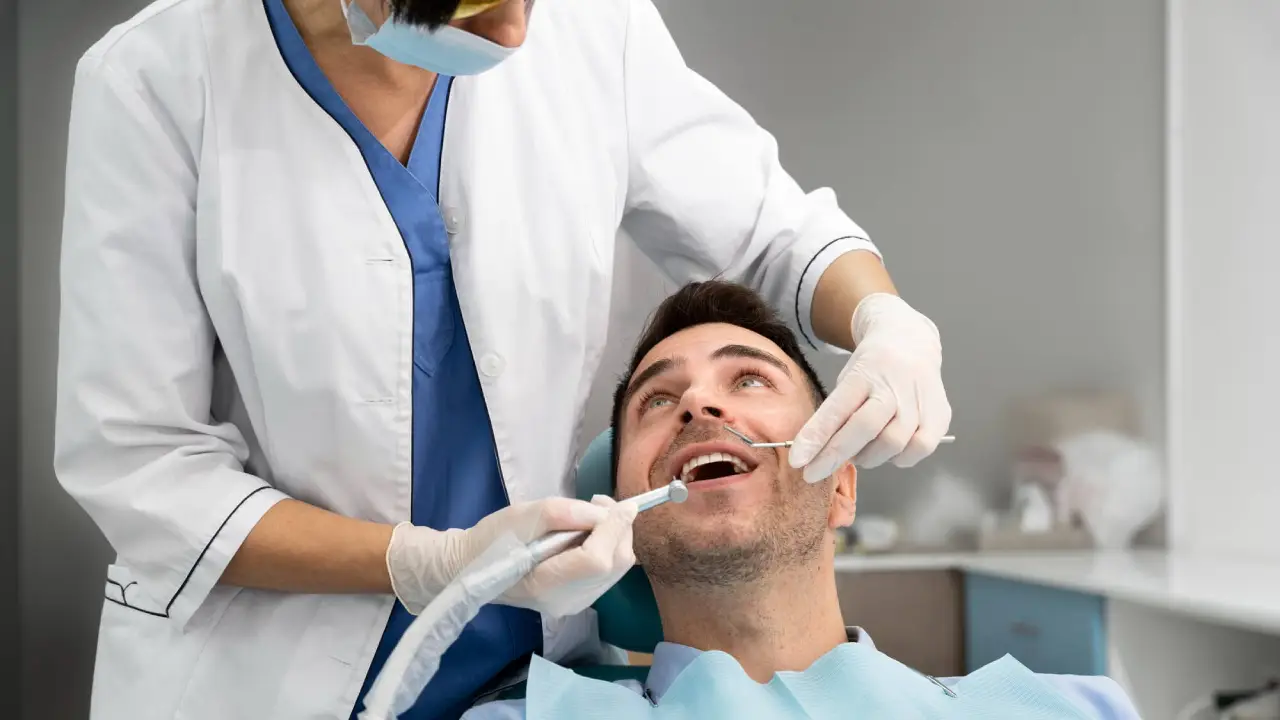
Understanding the Challenge of Severely Worn Dentition
Tooth wear represents one of the most complex challenges for a private dentist in Manchester, affecting individuals across all age groups and social backgrounds. Whether caused by grinding habits, acidic dietary choices, or the simple passage of time, severely worn teeth can dramatically impact both function and aesthetics. The enamel that once protected these teeth gradually erodes, leaving behind shortened, sensitive structures that struggle to perform their essential roles. For many patients, this deterioration creates a cascade of problems extending far beyond mere appearance, affecting everything from proper chewing to jaw alignment.
Private dental practitioners have developed sophisticated approaches to address these multifaceted concerns through comprehensive treatment planning. Unlike isolated interventions that tackle individual teeth, full mouth reconstruction considers the entire oral system as an interconnected unit. This holistic perspective allows clinicians to restore not only the damaged tooth structure but also the proper vertical dimension, occlusal relationships, and harmonious aesthetics that define a healthy smile. The transformation achieved through these techniques can be truly remarkable, returning patients to optimal oral function whilst simultaneously addressing years of accumulated damage.
The Comprehensive Assessment Process
Before embarking on any reconstructive journey, thorough diagnostic evaluation forms the essential foundation. Dentists employ advanced imaging technologies, including digital radiography and three-dimensional scans, to assess the extent of wear patterns and underlying bone structure. These detailed examinations reveal the full scope of damage, identifying not only visible wear on tooth surfaces but also hidden complications such as compromised root integrity or temporomandibular joint dysfunction. Many practitioners utilise diagnostic wax-ups and digital smile design software to preview potential outcomes, allowing patients to visualise their future results before treatment commences.
The assessment phase also involves careful analysis of the factors that contributed to the original tooth wear. A private dentist might investigate grinding habits, dietary patterns, or medical conditions that promote acid erosion. Understanding these underlying causes proves crucial for long-term success, as reconstruction without addressing causative factors risks repeating the same cycle of destruction. Research into tooth wear aetiology has demonstrated that multiple factors typically combine to create severe wear patterns, necessitating a comprehensive approach to both treatment and prevention.
Restorative Techniques and Material Selection
The actual reconstruction process employs a diverse array of restorative materials and techniques, each selected for its specific properties and suitability to individual circumstances. Porcelain crowns remain a cornerstone of full mouth rehabilitation, offering exceptional durability and natural aesthetics that can withstand the considerable forces generated during chewing. For cases requiring extensive rebuilding of tooth structure, dentists may utilise onlays or overlay restorations that preserve remaining healthy tooth tissue whilst providing comprehensive protection. The precision required for these restorations demands meticulous preparation and exceptional technical skill from both the dentist and dental laboratory technicians.
Modern adhesive dentistry has revolutionised the possibilities for tooth restoration, allowing clinicians to bond materials directly to remaining tooth structure with remarkable strength. This approach often permits more conservative preparations compared to traditional methods, preserving valuable dental tissue. Contemporary research on adhesive techniques continues to refine protocols and materials, ensuring ever-improving outcomes for patients undergoing complex reconstructions. The choice between different ceramic systems, composite materials, or combinations thereof depends upon numerous factors including the degree of wear, aesthetic requirements, and functional demands of each specific case.
Executing the Treatment Plan
Implementation of comprehensive full mouth reconstruction procedures typically occurs in carefully planned stages, allowing both patient and dentist to manage the considerable scope of treatment. Many practitioners begin with temporary restorations that serve multiple purposes: they protect prepared teeth, allow patients to adapt to altered bite relationships, and provide opportunities to refine aesthetics before committing to permanent restorations. This provisional phase proves invaluable for identifying any adjustments needed in tooth shape, length, or positioning, ensuring the final result achieves optimal comfort and function.
Throughout the reconstruction process, communication between patient and practitioner remains paramount. Regular reviews allow for fine-tuning of the treatment plan as work progresses, accommodating any unexpected findings or evolving patient preferences. The involvement of specialists such as periodontists or orthodontists may become necessary for complex cases, creating a collaborative approach that draws upon diverse expertise to achieve superior outcomes.
Achieving Long-Term Success
The completion of full mouth reconstruction marks not an ending but rather the beginning of a new chapter in oral health maintenance. Patients receive detailed guidance on protecting their restored dentition through proper oral hygiene practices, regular professional maintenance, and protective appliances where appropriate. With diligent care and periodic monitoring, these comprehensive restorations can provide decades of reliable service, transforming not only smiles but also quality of life for those who have endured the challenges of severely worn teeth.