

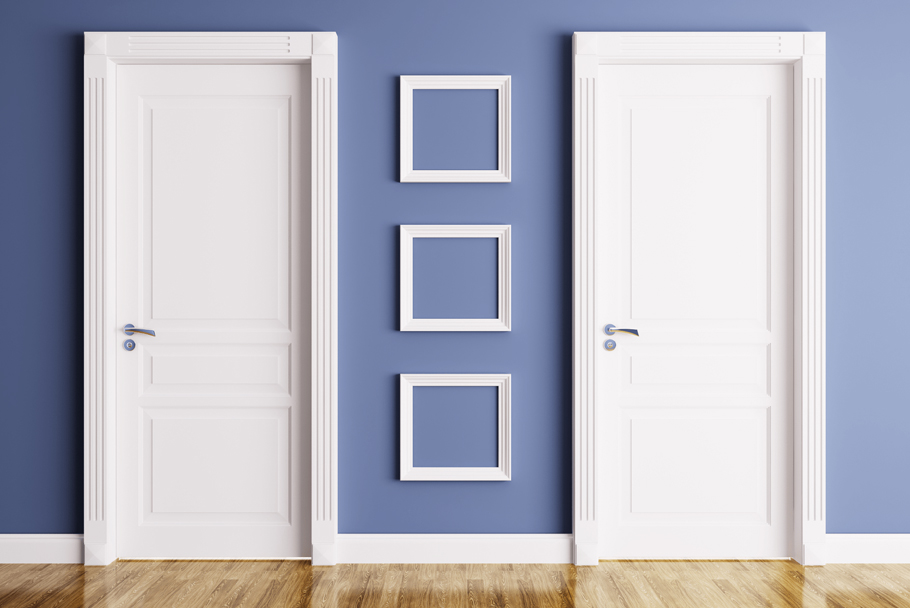
Living spaces feel complete through thoughtful design choices. Interior doors shape comfort, privacy, movement, and visual harmony every single day. Small details often influence daily living more than expensive decorative additions. Choosing an interior door for houses deserves equal attention because each selection affects appearance, sound control, and room function across the entire home.
Defining Comfort Through Interior Design
Every doorway changes the atmosphere within surrounding spaces. Closed bedrooms encourage restful sleep during busy evenings. Home offices remain quieter while family activities continue nearby. A well-fitted door limits distractions without changing the overall layout. Even visitors notice smoother movement between rooms when openings complement everyday living instead of interrupting it.
Why Material Selection Shapes Experience
Material affects far more than visual appeal. Different options respond differently under everyday household use.
- Solid wood delivers reassuring weight.
- Engineered panels resist seasonal movement.
- Glass brightens enclosed corners.
- Composite surfaces clean without effort.
- Laminate finishes resist scratches longer.
Each choice reflects lifestyle requirements rather than decoration alone.
Everyday Features People Notice First
Daily use reveals quality faster than appearance alone. Hinges should move quietly without sticking through repeated opening. Comfortable handles improve every interaction across busy households. Selecting an interior door for houses means considering grip, swing direction, frame alignment, and reliable hardware before choosing decorative finishes. Appearance attracts attention, yet dependable performance earns lasting appreciation.
Which Door Style Matches Each Room?
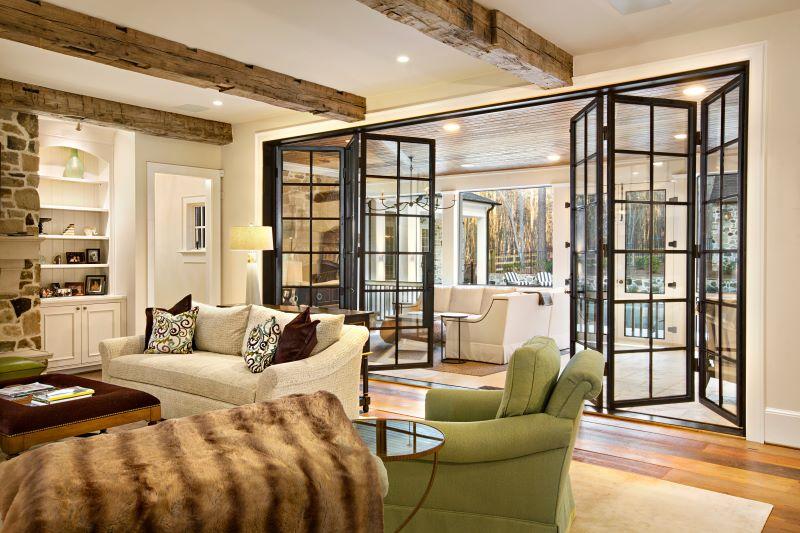
Every room benefits from thoughtful planning before installation. Bedroom entrances favor privacy above decorative statements. Frosted glass suits study spaces requiring daylight without constant visibility. Sliding systems free valuable floor area inside compact homes.
Helpful comparisons include:
- Panel designs create timeless character.
- Flush styles suit modern interiors.
- Pocket doors save valuable space.
- French doors brighten shared areas.
Small Choices Influence Long-Term Satisfaction
Finishes protect surfaces from everyday marks and moisture exposure. Careful measurements prevent unwanted gaps around surrounding frames. Precision installation reduces unwanted noise during regular movement. One overlooked hinge may create years of irritation inside frequently occupied spaces. Contrast appears clearly when attractive designs fail through poor fitting despite premium materials.
Rooms Feel Complete Through Thoughtful Details
Interior doors quietly shape everyday experiences beyond simple room separation. Smooth hardware, accurate fitting, moisture-resistant finishes, and suitable materials work together across changing household needs. One carefully chosen solid-core bedroom door can preserve peaceful sleep despite evening television nearby. Those quiet moments reveal genuine value long after decorative trends disappear.
FAQs
- Why do interior doors matter beyond privacy?
They improve sound control, define room purpose, enhance comfort, and strengthen interior design. - Which material suits busy family homes?
Engineered wood, composite materials, and solid-core doors offer durability with easier maintenance. - Are sliding doors suitable everywhere?
Sliding models suit compact areas, though bedrooms often benefit from hinged options. - Does door hardware affect performance?
Yes. Quality hinges, handles, and locks improve reliability and everyday convenience.