

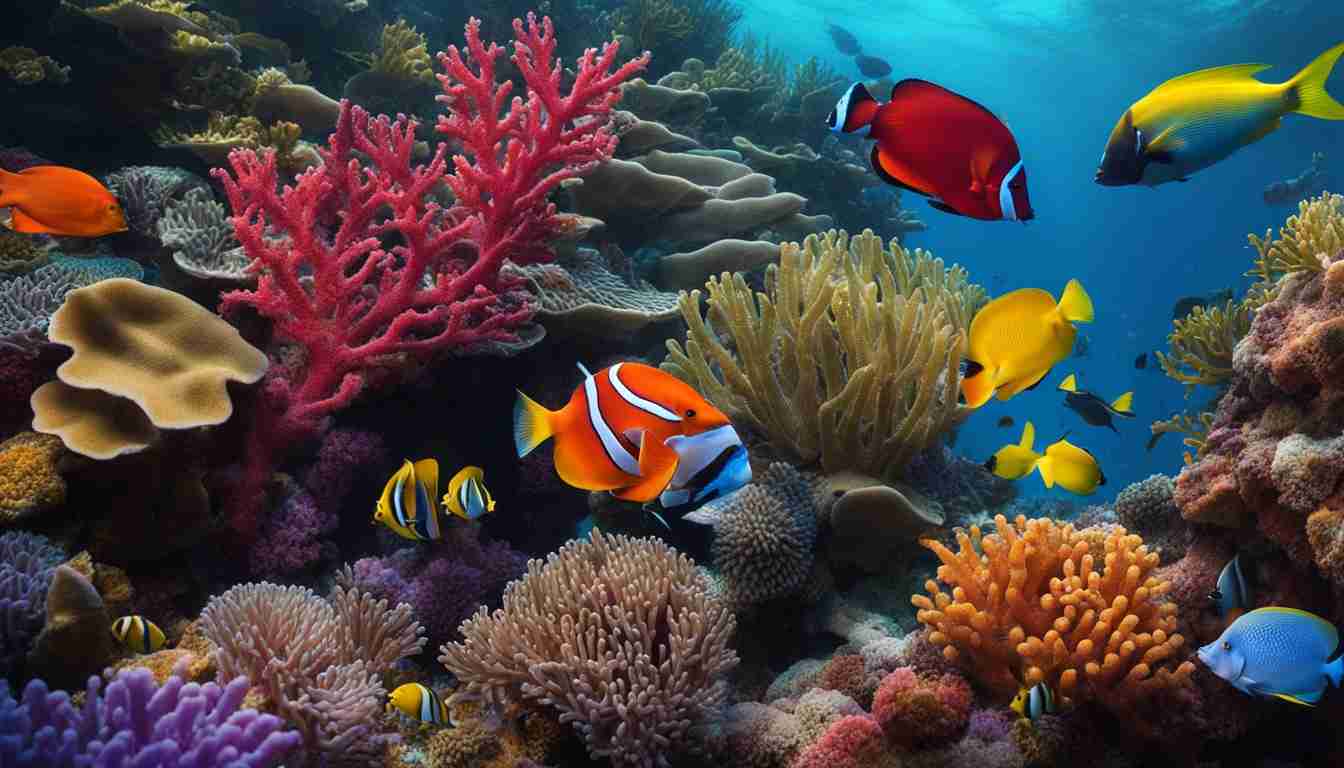
Often referred to as the “rainforests of the sea,” coral reefs are maybe the most vivid and biodiverse marine environments on Earth. Though they span less than one percent of the ocean floor, they support approximately 25% of all marine life by offering vital habitat, food, and protection from endless numbers of threats. Their amazing concentration of life makes them important hotspots for biodiversity, vital for the survival of millions of people globally as well as for the quality of our seas. But these undersea wonders are being pushed to the edge of collapse from an unparalleled range of dangers. Their existence depends mostly on knowing these risks and acting forcefully. Further details on the dangers to biodiversity may be accessed at: https://coralvita.co/coral-cafe/threats-to-biodiversity/.
Unmatched Worth of Coral Reefs
One cannot exaggerate the ecological and financial value of coral reefs. Apart from their function as nursery and food source for a great variety of marine species, they offer essential ecological functions to human populations. Acting as natural breakwaters, reefs preserve coastal infrastructure and lives against erosion and storm surges. For an estimated 500 million people, they maintain robust fisheries, therefore offering food security and livelihoods. Moreover, coral reefs are a veritable gold mine of possible novel medications; chemicals derived from reef life show promise in treating many ailments, including cancer.

Climate Change: The General Threat
Climate change represents the most important and widespread hazard to coral reefs. Rising ocean temperatures cause coral bleaching, a phenomenon whereby coral expels the symbiotic algae (zooxanthellae) living inside their tissues, resulting in their whitening and final death should temperatures remain high. Direct result of rising carbon dioxide absorption by the oceans, ocean acidification increasingly weakens coral skeletons, hence increasing their vulnerability to harm and compromising their capacity for growth and repair. More frequent and severe mass bleaching events brought on by these worldwide stresses are pushing reefs beyond their ability for recovery.
Quick Response for Survival
One cannot stress the need of coral reef protection. Combining strong local conservation plans with worldwide attempts to slow down climate change is imperative using a multi-pronged strategy. These covers switching to renewable energy, cutting carbon emissions, and using sensible pollution control and wastewater treatment techniques. Creating and maintaining marine protected zones (MPAs) can offer reefs safe refuge for recovery. Crucially also are sustainable tourist policies and community involvement. Efforts at coral reef restoration—such as coral gardening and outplanting—offer promise for rebuilt damaged reefs by means of investment. Our combined will to quick and continuous action will determine the fate of these essential ecosystems and the many lives forms they support. Visit https://coralvita.co/coral-cafe/threats-to-biodiversity/ for further details on the hazards endangering biodiversity.